About Electrical Fuse
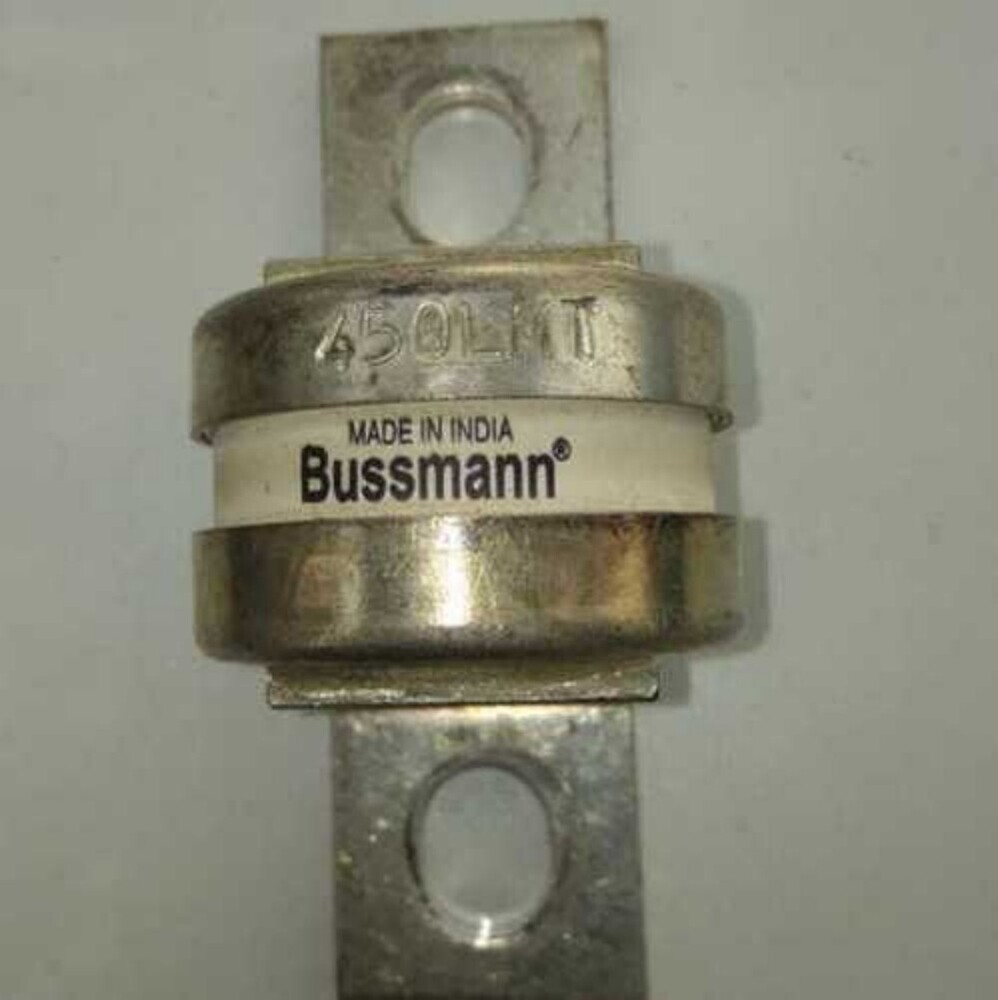
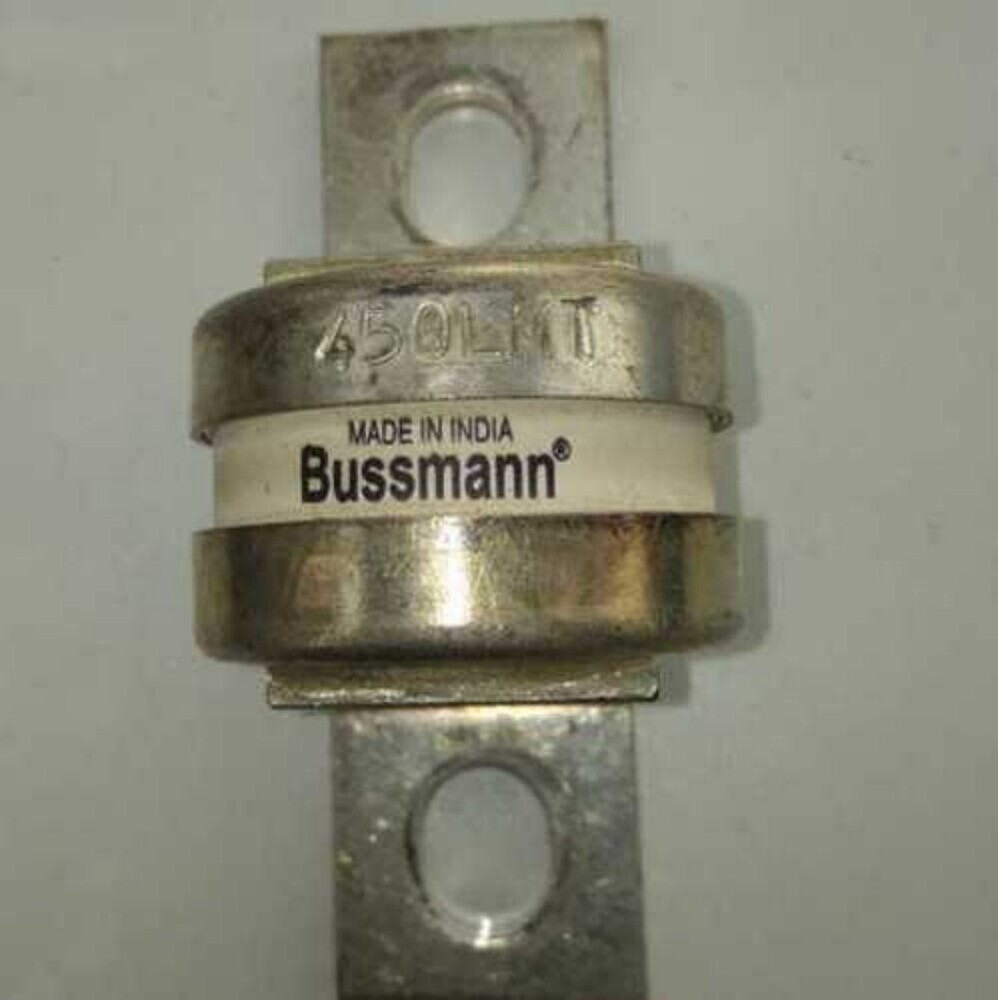
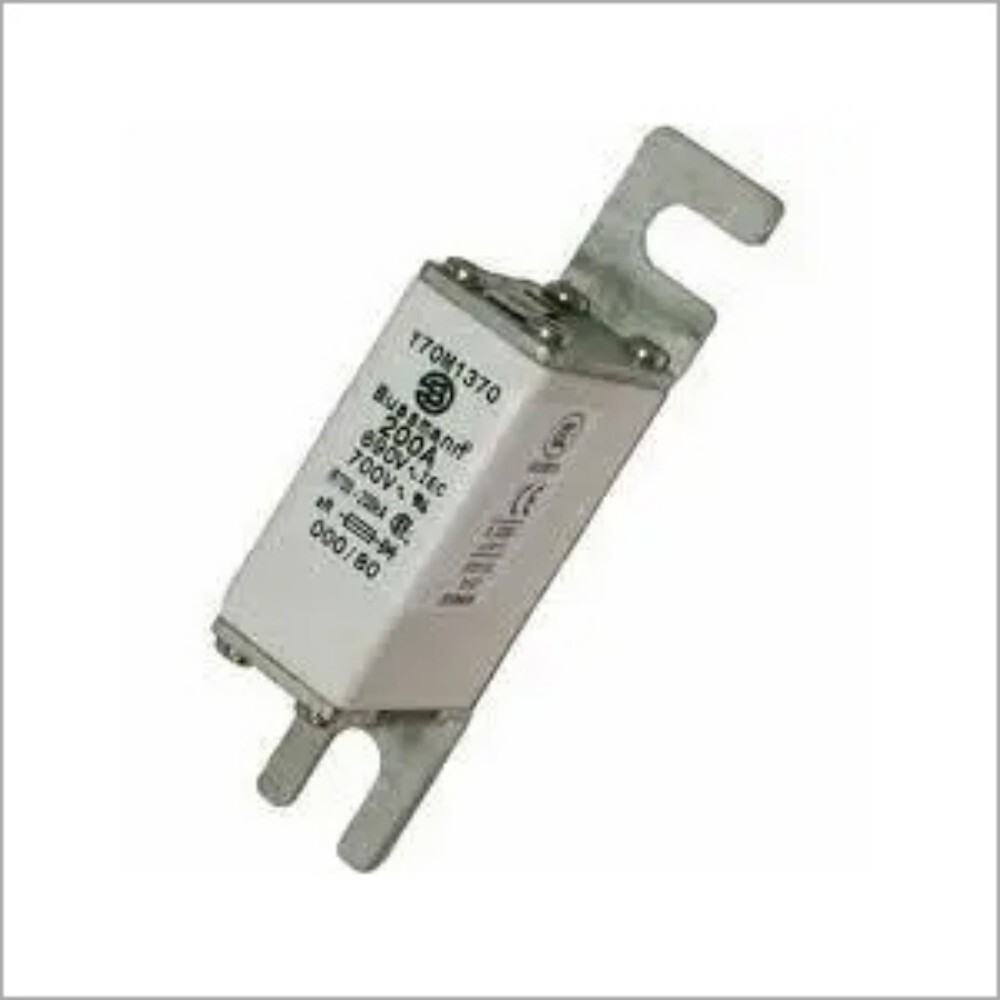
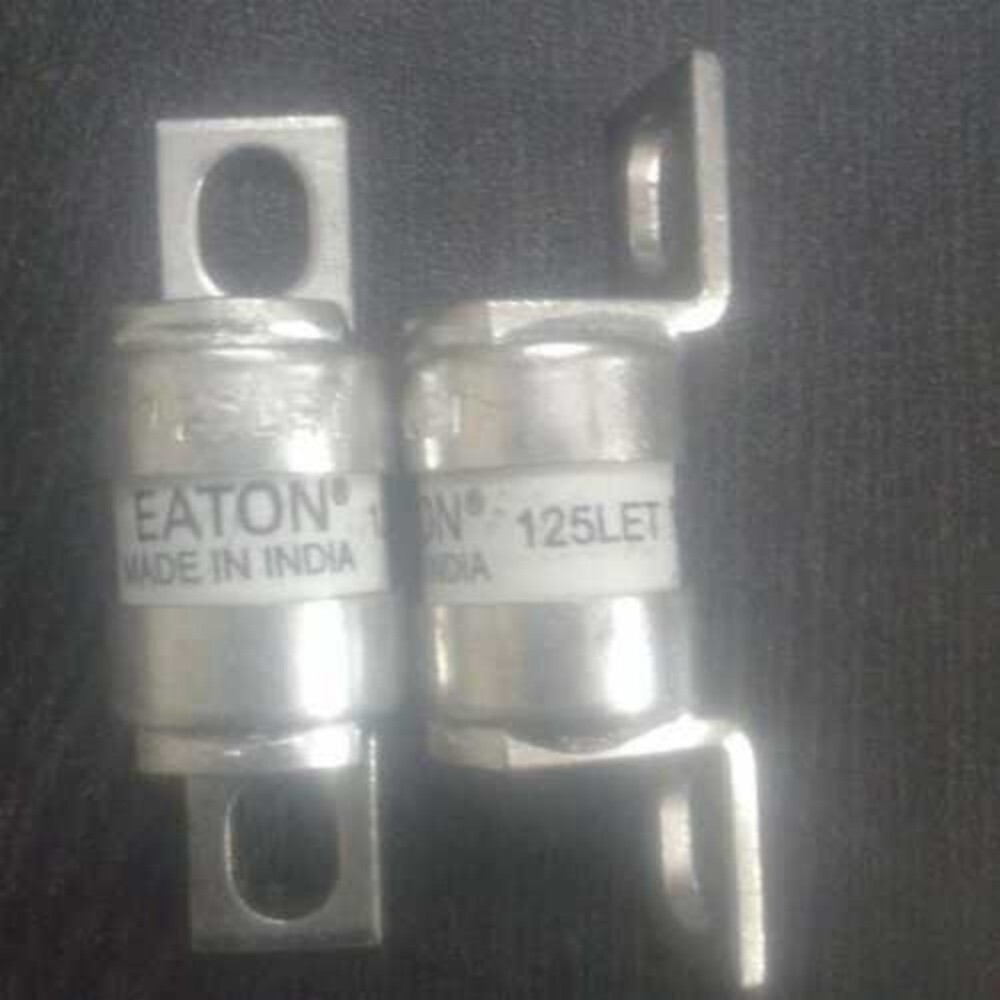
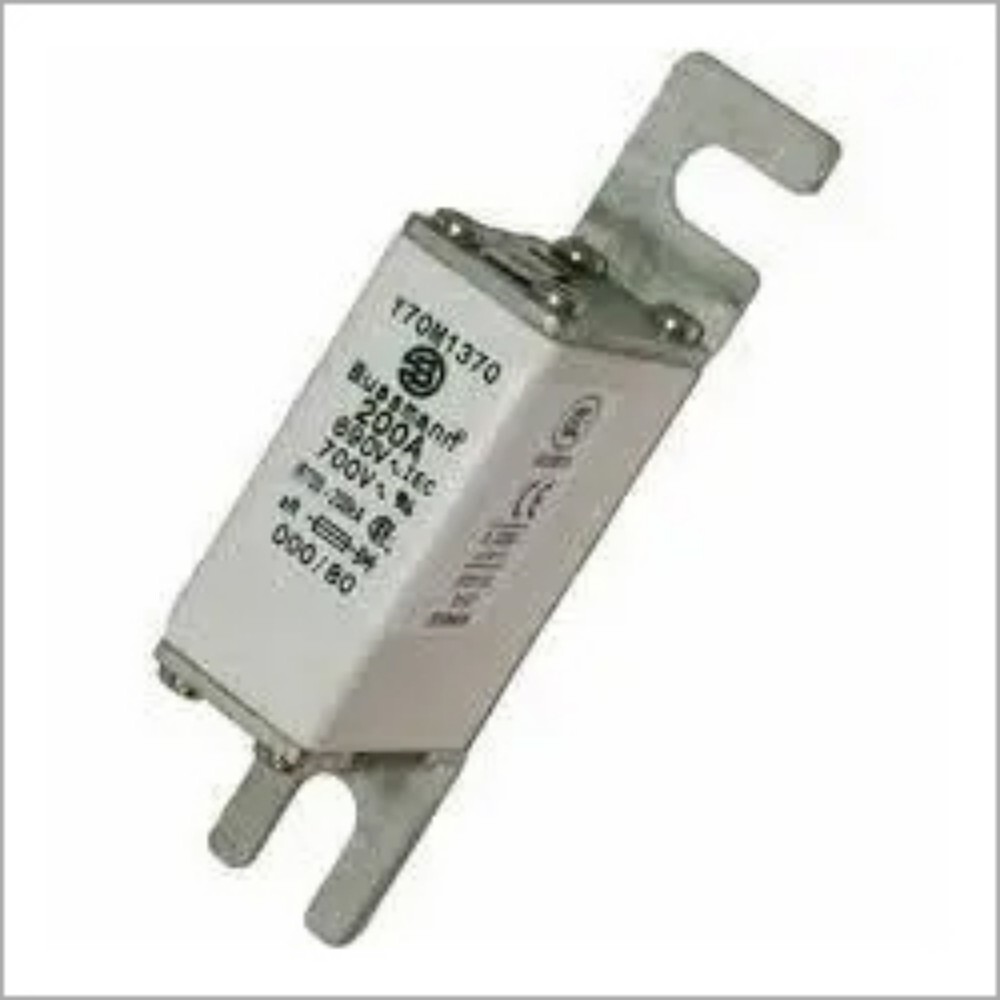
Electrical Fuse is a safety device which is intended to be used for providing protection from over current & fault current situations. It is an important component of residential & commercial switchboards. This fuse is known to work by cutting power supply when senses excess current flow than set value. Electrical Fuse operates by using a special metal which softens at high temperature & opens electrical circuit.
Features:
- Works on principle of heating consequence of current
- Completely reliable in nature
- Prevents damage to home appliances
High Reliability and EnduranceThis fuse boasts a service life exceeding 1000 cycles, enabling it to withstand repeated voltage surges and interruptions. Its robust ceramic and metal structure, combined with a fast-acting cartridge design, ensures consistent protection without performance degradation, making it ideal for mission-critical applications across various environments.
Comprehensive Environmental CompatibilityEngineered to handle temperatures from -40C to 100C in storage and up to 95% relative humidity, this fuse meets the demands of challenging industrial and commercial settings. Its halogen-free composition and RoHS compliance support eco-friendly installation without compromising protection or durability.
FAQs of Electrical Fuse:
Q: How does the ceramic and metal fuse provide overcurrent protection in electrical circuits?
A: The fuse contains a metallic element housed in a ceramic body; when excess current passes through, the element quickly melts or breaks, interrupting the electrical flow and preventing circuit damage or fire hazards.
Q: What applications are suitable for this cartridge fuse with a 100 kA breaking capacity?
A: This fuse is well-suited for industrial, commercial, and residential installations that require reliable overcurrent protection, such as electrical panels, power supplies, machinery, and sensitive equipment operating at up to 250V and 10A.
Q: When should you consider replacing this fuse type?
A: Replacement is necessary when a circuit interruption (i.e., a blown fuse) occurs, or during routine electrical maintenance if testing reveals increased resistance or visible damage to the fuse body or terminations.
Q: Where can this panel mount or inline fuse be installed for optimal performance?
A: It is designed for panel mount or inline integration, typically in distribution boxes, control cabinets, or directly inline with wiring harnesses, ensuring secure and accessible placement within electrical systems.
Q: What is the process for safely installing or replacing this fuse?
A: Before installation or replacement, disconnect power to the circuit. Insert the fuse securely into the holder or panel mount, ensuring proper alignment with wire terminals. Restore power and verify current flow; always follow standard electrical safety practices.
Q: Can this fuse withstand high humidity and varying temperatures?
A: Yes, it operates reliably in environments with up to 95% humidity and temperatures from -20C to 80C, and the storage temperature range extends from -40C to 100C, making it suitable for diverse climatic conditions.
Q: What benefits does the fuses high breaking capacity and fast response time offer?
A: A 100 kA breaking capacity ensures safe interruption even under severe fault currents, while the fast-acting design minimizes the risk of equipment damage, providing improved safety and reducing potential downtime.






 Send Inquiry



 Send Inquiry

 Send Inquiry
 Send Inquiry
 Send SMS
 Call Me Free